
Coding
Stories, games and apps built sequentially from visual logic to Python.
Learn · Explore · Innovate · NEP 2020 and CBSE Kaushal Bodh
Turn an existing computer room into a managed Coding, AI, Electronics and 3D design lab across Classes 1 to 9. Curriculum, kits, teaching support and upkeep built for CBSE, ASSEB Division I (formerly SEBA) and ICSE schools.
Classes 1 to 9
Structured weekly sequence
4 Core tracks
Coding, AI, Electronics, 3D
5 Year roadmap
Foundations to astronomy
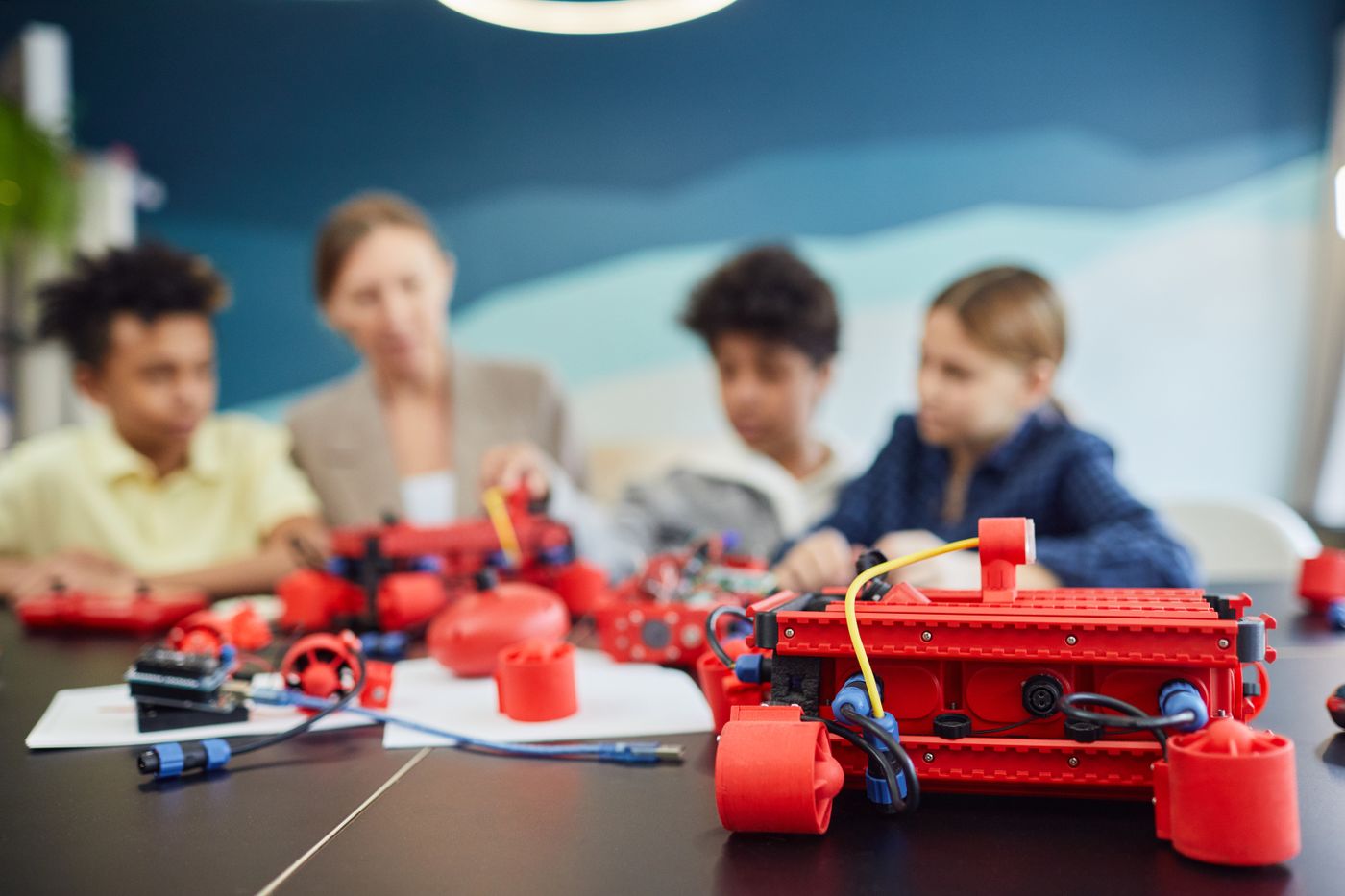
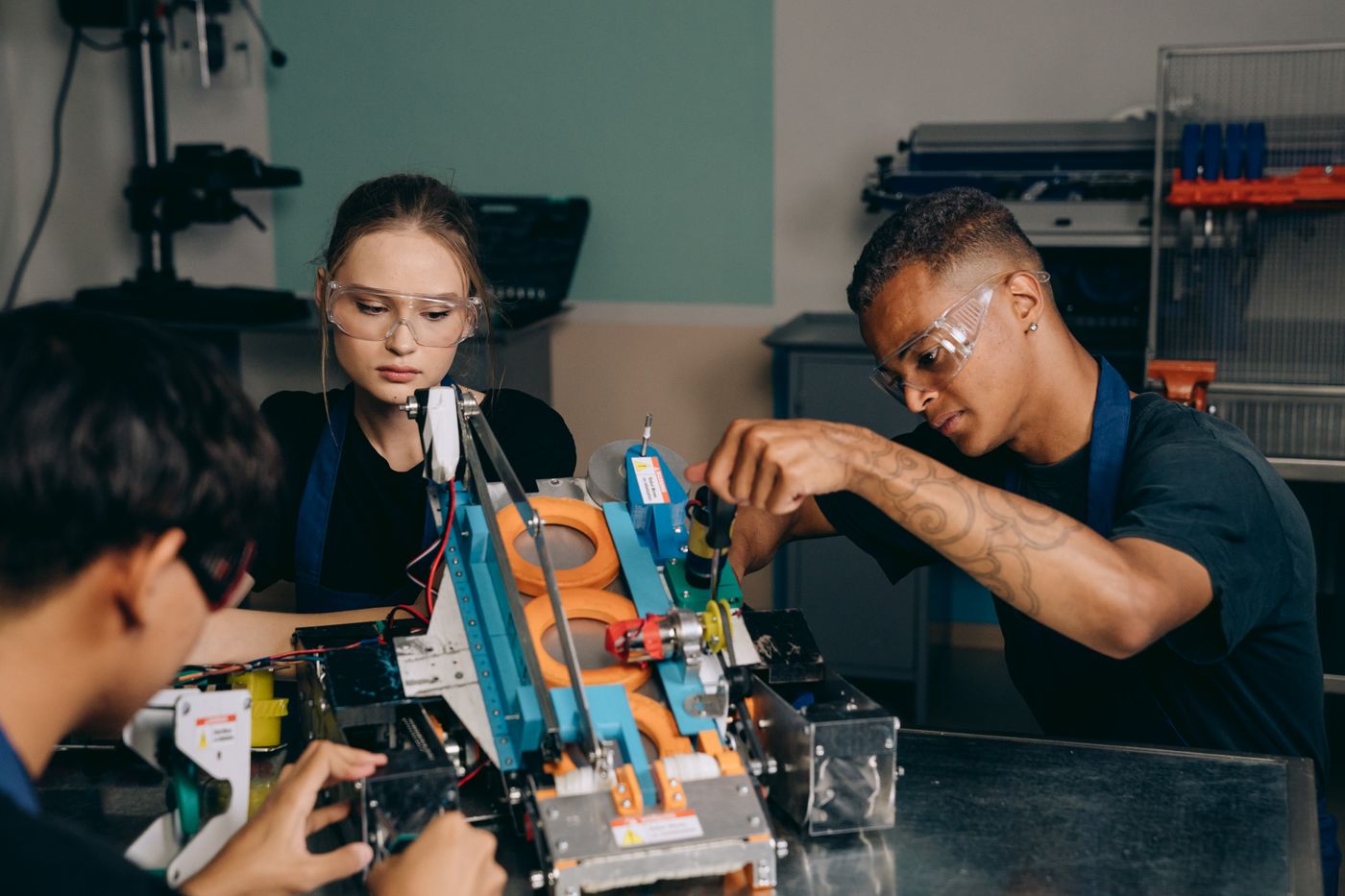
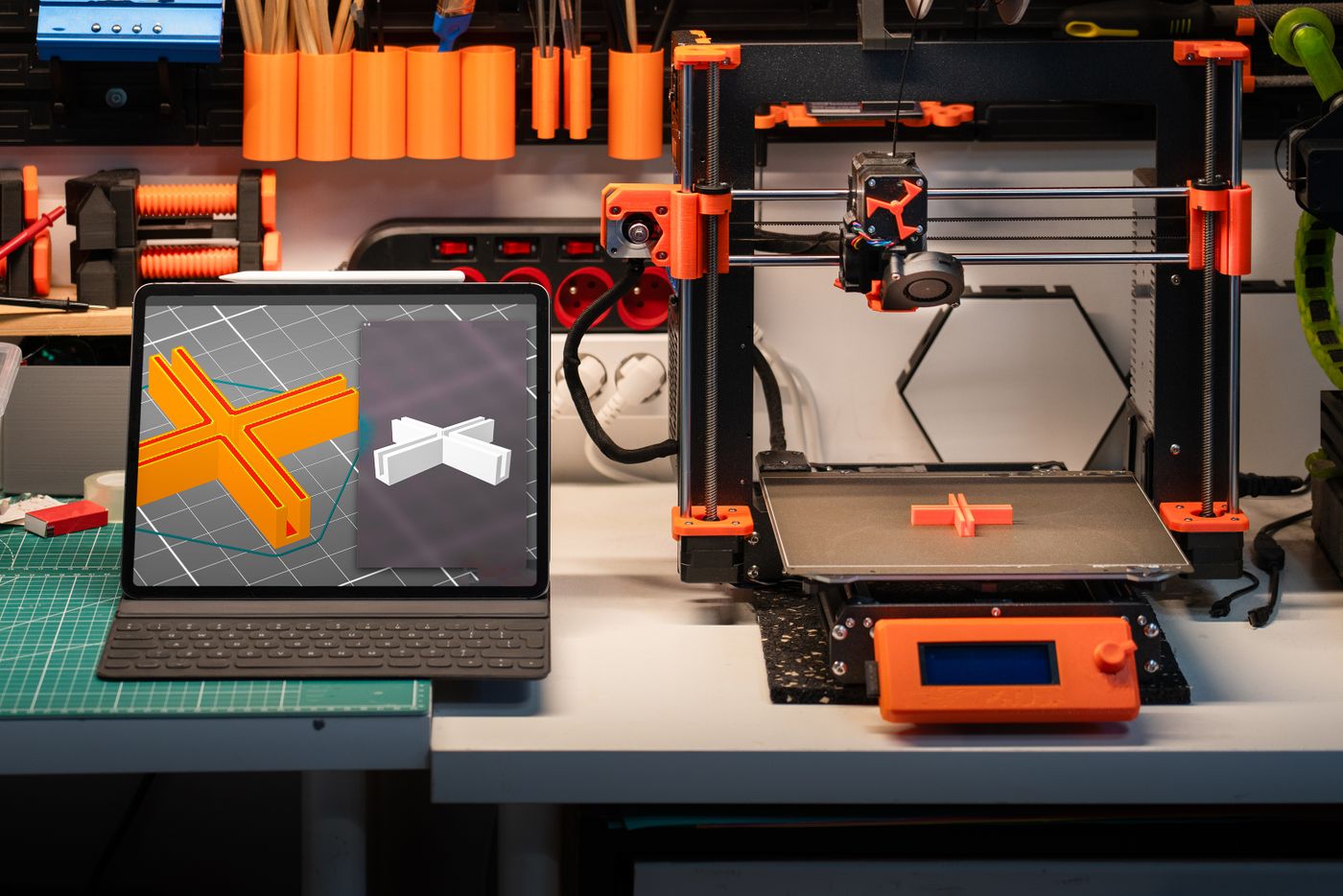
School partnerships · 2027 to 2028
CBSE, ASSEB Division I (formerly SEBA) and ICSE schools
NEP 2020 and Kaushal Bodh
Inside an Astra technology lab
Stories, games and apps built sequentially from visual logic to Python.

Patterns, data and models tested on live inputs in guided sessions.
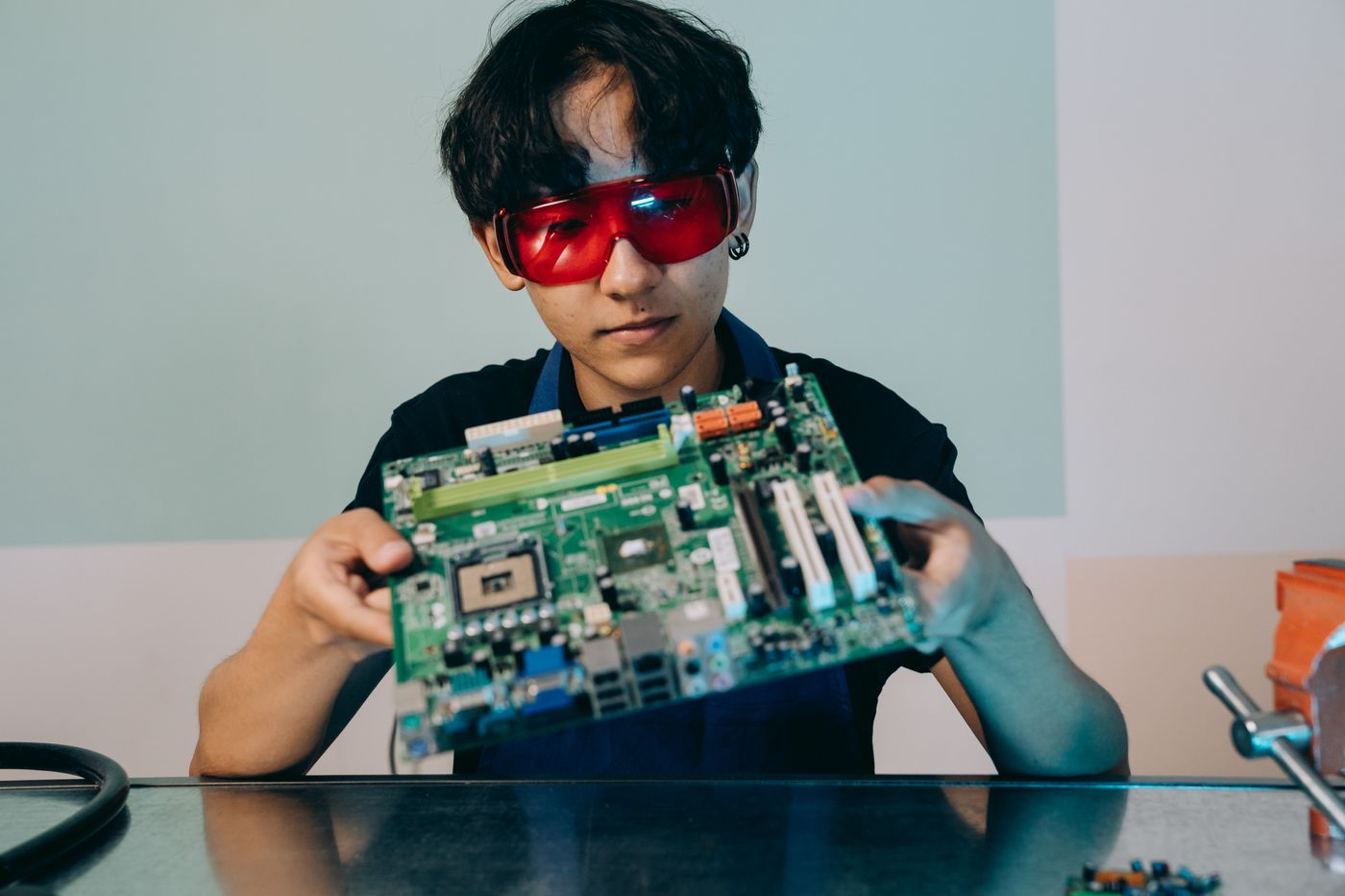
Circuits, switches and sensors wired and tested directly by hand.
Sketches, CAD assemblies and physical prototypes prepared for fabrication.
Skills students develop
Frame a question
Test an idea
Refine it together
Explain the result
Beyond technical skills
What will it cost? Who will use it? What could be reused? These questions bring financial literacy, ethics and environmental thinking into the lab.
Interactive curriculum explorer
Drag to rotate the articulated 3D quadruped model 360 degrees and switch tracks to inspect how Coding, AI, Electronics, and 3D design drive real moving joints.
Track details
Circuits, switches and sensors wired and tested by hand.
Junior band progression
Classes 1 to 5: LED circuits, physical switches, buzzers, and early microcontroller I/O.
Senior band progression
Classes 6 to 9: Temperature, IR, and ultrasonic sensors with motor control boards.
What students build
Calibrated sensor circuits and automated hardware assemblies.
Board alignment
CBSE Kaushal Bodh practical work with machines and materials in Classes 6 to 8.
Inside the lab in motion
Students work with physical sensors, microcontrollers, 3D printed enclosures, and live AI vision tools inside an existing school room.
Our starting point
How the lab fits into your school
Components for practical work delivered and organized for every batch.
A progressive sequence across Classes 1 to 9 aligned to board goals.
Dedicated instructor roles and structured lesson preparation.
Care, inventory storage and timely component replacements.
Hands on project builds, portfolios and structured student reflection.
Weekly lab sessions scheduled cleanly inside the school timetable.
| Decision | Your school identifies | Astra helps plan |
|---|---|---|
| Learning space | Room, computers and storage | Equipment and materials |
| Teaching time | Classes and available periods | Lesson sequence and pacing |
| People | School coordinator | Teaching and support roles |
An existing computer room can be the starting point. Together we can review what the school already has and what the first sessions would need.
Where the lab can go next
Later tracks are introduced gradually as students build foundations and school facilities are ready.
Coding, AI, basic electronics and 3D design.
Mechanisms, control and digital fabrication.
Internet of Things, digital safety and enterprise.
AR, VR, aerodynamics and drones.
Observation, investigation and independent projects.
Building and testing models develops practical understanding (§4.6). Middle Stage coding develops computational thinking by breaking problems into steps (§4.25).
Electronics and fabrication support practical work with machines and materials in Classes 6 to 8, tailored for CBSE, ASSEB Division I (formerly SEBA) and ICSE schools.
Leadership and academic guidance
Founded in Dibrugarh by graduates who know Assam classrooms firsthand, with academic standards reviewed in collaboration with faculty at Assam Engineering College.

Cofounder and CEO
MCA, Assam Engineering College
Brings direct experience delivering technical programs inside schools and leads school partnerships and operations across Assam.

Cofounder and CTO
MCA, Assam Engineering College
Leads curriculum architecture and hardware lab systems at Astra, grounding every student build in sound engineering fundamentals.

Assistant Professor, Computer Applications
Assam Engineering College
Guides academic rigour across coding, electronics, AI, and 3D design tracks.
Common questions
Yes. An existing computer room with storage is a practical starting point. During our first review we look at what your school already has and map out the exact kits and materials needed.
The curriculum aligns with National Education Policy 2020 (§4.6 and §4.25) and CBSE Kaushal Bodh (Classes 6 to 8), and is built for CBSE, ASSEB Division I (formerly SEBA) and ICSE schools.
Your school identifies the room, computers, storage, available class periods, and a school coordinator. Astra plans equipment, materials, lesson pacing, instructor roles, upkeep, and assessment.
Year 01 establishes Technology foundations across Coding, AI, basic electronics, and 3D design. Subsequent years expand into Robotics and 3D printing, Connected devices, Immersive technology and flight, and Space and astronomy as readiness grows.
Astra plans care, storage organization, and replacements for lab kits and components so teachers do not lose instructional time troubleshooting damaged parts.
We walk school leadership through the class wise sequence for Classes 1 to 9, assess existing room and timetable readiness, and outline instructor and hardware support.
School partnerships · 2027 to 2028
Review the class wise curriculum with Astra and plan for your rooms, staffing and timetable.
Zero obligation briefing · Existing computer room assessment included